Why We Gamble: The Psychological Appeal of Casino Games
The act of gambling is deeply ingrained in human society, offering a unique blend of risk and potential reward.
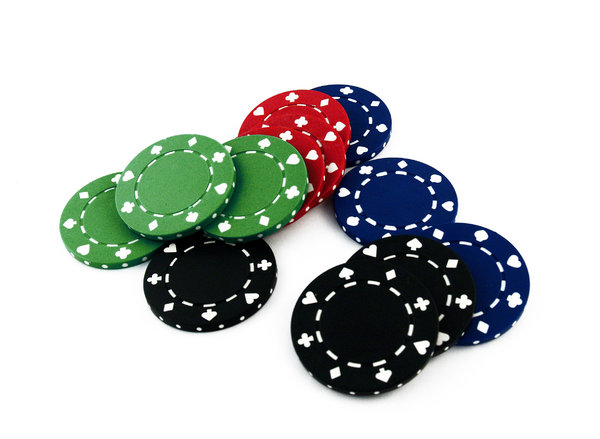
From glamorous casino floors to digital online platforms, millions of people actively participate in games of chance.
The fascinating question is: why do we risk our hard-earned money when we know the house has an edge?
The allure of casino games is deeply connected to neurochemistry and our natural response to unpredictable stimuli.
Let's examine the fascinating science behind the thrill of the bet and the psychology of the casino experience.
Neurochemistry: How Dopamine Fuels the Thrill
The primary chemical messenger responsible for the excitement of gambling is a neurotransmitter called dopamine.
It is the same chemical involved in eating delicious food, falling in love, and experiencing novel thrills.
The suspense and uncertainty of waiting for the outcome actually trigger a stronger chemical response than the reward itself.
Because the anticipation is so highly stimulated, the behavior becomes incredibly engaging and sometimes addictive.
Modern casino games, especially video slots, are expertly designed to maximize these dopamine spikes through sights and sounds.
Psychological Traps: Understanding the Near-Miss
Game designers deliberately utilize the "near-miss" to manipulate player perception and encourage continued play.
For example, landing two jackpot symbols on a slot machine, with the third symbol falling just one space away.
Mathematically speaking, missing the jackpot by one inch is exactly the same as missing it by a mile.
This cognitive distortion makes the player feel that a big payout is "just around the corner," prompting them to bet again.
By artificially inflating the frequency of near-misses, operators successfully extend the average player's session time.
The Illusion of Control and Gambler's Fallacy
Another major factor driving gambling behavior is the psychological concept called the illusion of control.
Players often feel that blowing on dice, picking their own lottery numbers, or squeezing cards impacts the outcome.
The human brain struggles to accept true randomness and constantly searches for patterns where none exist.
Casinos exploit this by displaying history boards at roulette tables, encouraging pattern-seeking behavior.
Overcoming the illusion of control is the first step toward responsible and logical gambling.
The Mental Mechanisms of Casino Play
- Dopamine Release: The thrill of anticipation and reward.
- Near-Win Illusion: Feeling like a jackpot is very close.
- False Mastery: Thinking your choices affect pure chance games.
- Pattern Seeking: Believing past spins dictate future results.
- Social Validation: The communal excitement of a casino floor.
How Emotions Affect Gamblers
| Outcome | Mental State | Resulting Behavior |
|---|
| Winning Streak | High Dopamine, Excitement | Refusal to cash out |
| Almost Won | Feeling "Due" for a hit | Chases the perceived win |
| Heavy Loss | Despair, Anger (Tilt) | Chases losses aggressively |
By recognizing how the brain responds to casino games, you can become a much safer and smarter gambler.
Realizing that the Gambler's Fallacy is a cognitive error helps you avoid making irrational and expensive bets.
By maintaining logical boundaries, you can safely appreciate the excitement without falling into psychological traps.
Pre-commitment strategies are the best way to counteract the intense emotional swings of a casino session.
Gamble with knowledge, maintain discipline, and treat the casino as a form of paid entertainment.